
The Impact of Open Source on Modern Software Development
Remember the days when software was a guarded secret? Companies locked their code in digital vaults, releasing it only as finished products. If something broke, you waited for a patch. If you wanted a new feature, you hoped the vendor would agree. That era is fading fast.
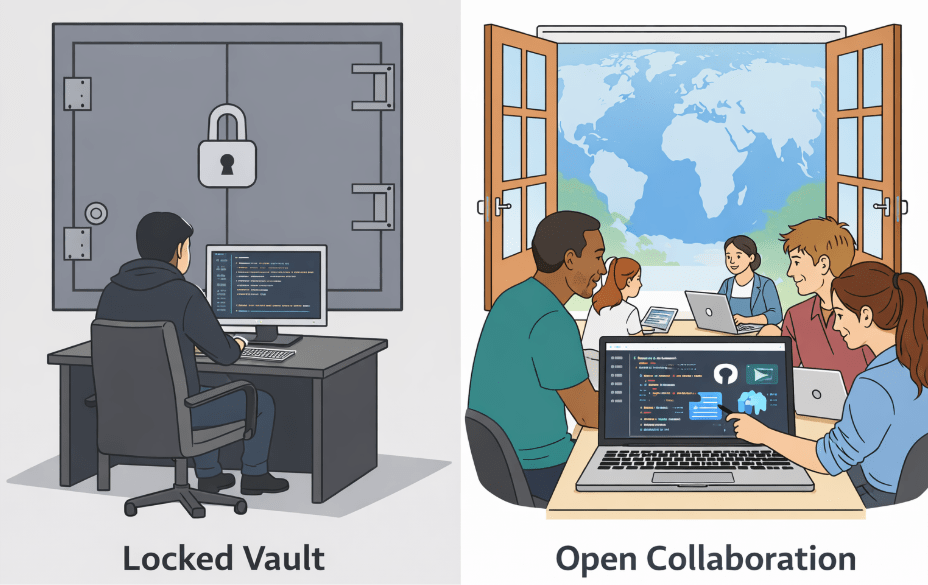
Today, open source has fundamentally rewritten the rules of the tech industry. It has shifted the paradigm from isolation to collaboration, enabling rapid innovation that proprietary models simply cannot match. From individual developers tinkering in their basements to the largest app development company, everyone relies on open code.
This post explores how open-source software (OSS) revolutionized the industry. We will look at the tools that make it possible, its impact on mobile development, and why it is crucial for modern software engineering.
The Open-Source Revolution
Open-source software is code that is designed to be publicly accessible for anyone to see, modify, and distribute the code as they see fit. This transparency builds trust and encourages peer review on a massive scale.
In the past, programming was often a solitary or strict internal corporate activity. Now, open-source projects allow engineers from Tokyo, New York, and Berlin to work on the same problem simultaneously. This global brain trust accelerates problem solving. When a bug is found in a popular open-source library, it isn’t just one team trying to fix it; it is potentially thousands of eyes looking for a solution.
This shift has democratized technology. Startups don’t need to reinvent the wheel; they can build robust, community-maintained frameworks. This accessibility lowers the barrier to entry for software development, allowing focus to shift to unique value propositions rather than basic infrastructure.
The Pillars of Collaboration: Git, GitHub, and GitLab
You cannot discuss modern development without mentioning Git. This version control system is the backbone of OSS. It allows multiple people to work on the same codebase without overwriting each other’s work.
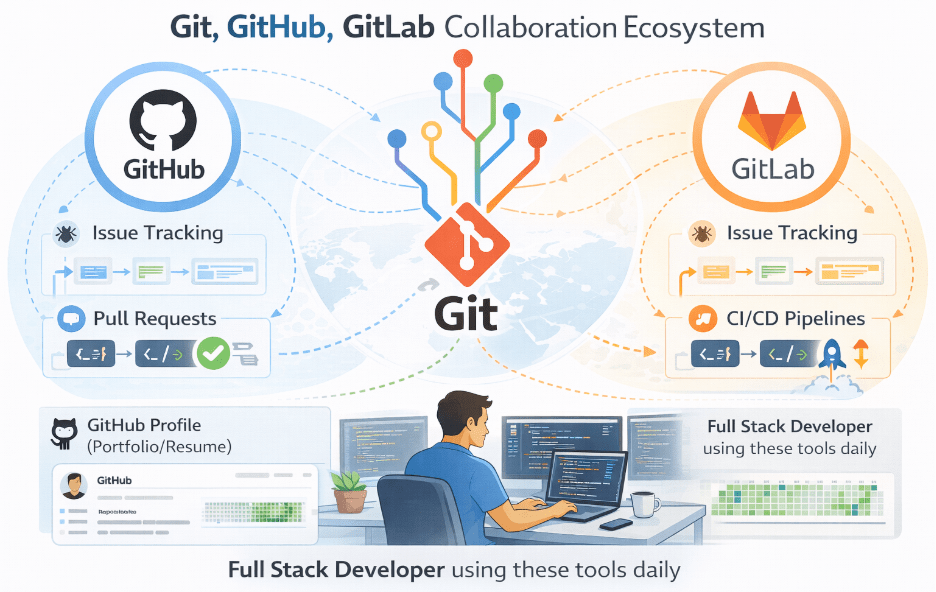
However, Git needs a place to live. Enter platforms like GitHub and GitLab. These are more than just code repositories; they are social networks for code. They have transformed collaboration by providing:
- Issue Tracking: Transparently reporting bugs and feature requests.
- Pull Requests: A structured way to propose changes and have them reviewed by peers.
- CI/CD Pipelines: Automating testing and deployment.
For a full stack developer, these platforms are daily hubs. They serve as portfolios, learning resources, and workspaces. When an app development company hires new talent, they often look at a candidate’s GitHub profile before they resume. It proves they can write code and, more importantly, collaborate within a community.
Transforming Mobile and App Development
The impact of open source is perhaps most visible in the mobile sector. If you look at any successful mobile app development company today, their tech stack is built on open foundations.
Android and the Open Ecosystem
Android app development is the prime example. Android itself is built on the Linux kernel, the most famous open-source project in history. Because the base operating system is open, manufacturers and developers can customize it freely. This flexibility propelled Android to become the most widely used mobile OS globally.
Cross Platform vs. Native
The debate between native app development and cross platform app development has also been shaped by open source.
- Native: Languages like Swift (for iOS) and Kotlin (for Android) are open source, allowing the community to improve the core languages themselves.
- Cross Platform: Frameworks like React Native (created by Facebook) and Flutter (created by Google) are open source. They allow developers to write code once and deploy it everywhere.
Because these frameworks are free to use and modify, a mobile app development company can deliver products faster and cheaper. They don’t have to pay expensive licensing fees for the development tools, and they benefit from a massive community constantly adding new plugins and fixes.
Essential Tools for the Modern Workflow
While code is central, the ecosystem around it relies on efficient management. Open-source principles have influenced how teams organize themselves, leading to a surge in specialized tools.
To manage the chaos of distributed teams, task management tools and team collaboration tools are essential. Whether a team is using Jira, Trello, or an open-source alternative like Taiga, the goal is transparency.
Online collaboration tools and cloud collaboration tools have made remote work seamless. Developers can pair programs in real time, share terminal sessions, and review code instantly. This ecosystem supports the agile nature of software engineering, where speed and adaptability are key.
Understanding Licenses and Distribution
Not all free software is the same. It is vital to distinguish between OSS and a simple freeware download. Freeware might be free to use, but you cannot see or change the code. Open-source grants you those rights, governed by open-source licenses.
Licenses like MIT, Apache 2.0, and GNU GPL dictate how software can be used.
- Permissive Licenses (MIT, Apache): Allow you to do almost anything with the code, including using it in proprietary software.
- Copyleft Licenses (GPL): Require that any modifications you distribute must also be open source.
Understanding these licenses is critical for any app development company. Using a component with the wrong license could legally force a company to release their proprietary source code. Compliance is now a major part of the development of the lifecycle.
The Future is Open
The trajectory is clear: proprietary, closed systems are becoming niche. The future of software development lies in shared knowledge. We are seeing open-source move beyond code into open data, open AI models, and open hardware design.
For developers, this means endless opportunities to learn and contribute. For businesses, it means faster innovation cycles and better security through transparency. As collaboration tools get smarter and cloud collaboration tools become more integrated, the friction of working together will continue to disappear.
Whether you are a student looking for a freeware download of a code editor, or a CTO deciding on the architecture for a global platform, open source is the foundation you will build upon.

 Print on Demand Cloud
Leave a comment