
The Role of AI in Automating Code Reviews and Debugging
Software development has always been a delicate balance between creativity and precision. Developers spend countless hours not just writing code, but reviewing it, debugging errors, and ensuring quality standards are met. Traditionally, these tasks have been manual, time consuming, and prone to human oversight. Enter artificial intelligence a transformative force that’s reshaping how we approach code reviews and debugging.
The Evolution of Code Quality Assurance
Not too long ago, code reviews meant gathering around a screen, manually scrutinizing every line, and hoping to catch bugs before they made it to production. Debugging involved hours of print statements and coffee fueled late nights. Today, AI code review tools are changing this narrative entirely, bringing intelligence and automation to what was once a purely human domain.
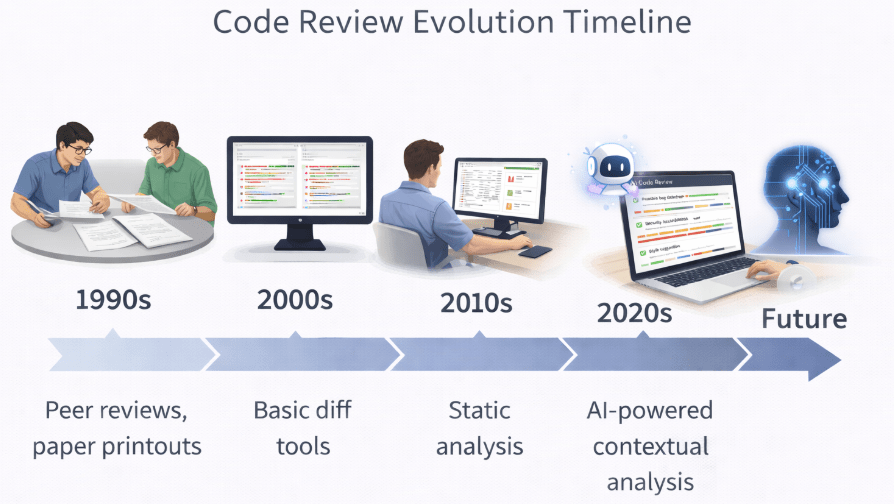
An ai coding assistant doesn’t just highlight syntax errors it understands context, identifies potential security vulnerabilities, detects code smells, and even suggests optimizations based on best practices. These intelligent systems learn from millions of code repositories, allowing them to recognize patterns that even experienced developers might miss.
How AI is Revolutionizing Code Reviews
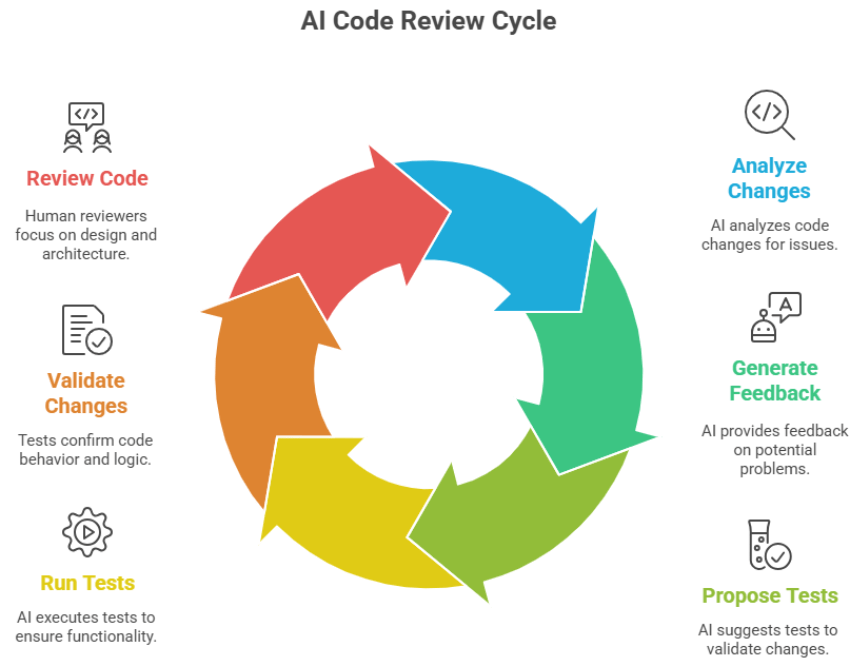
The best ai coding assistant tools leverage machine learning algorithms to analyze code with remarkable depth. Unlike traditional static analysis tools that follow rigid rules, AI powered solutions understand the nuances of different programming languages and coding styles. They can identify subtle logic errors, potential race conditions, and performance bottlenecks that would otherwise slip through manual reviews.
What makes these tools particularly powerful is their ability to provide contextual feedback. An ai code helper doesn’t just flag an issue; it explains why it’s problematic and offers concrete suggestions for improvement. This educational aspect transforms code reviews from a gatekeeping exercise into a continuous learning opportunity.
Modern agentic ai systems take this even further by autonomously navigating codebases, understanding dependencies, and making intelligent decisions about what to review and how to prioritize findings. These systems can work alongside human reviewers, handle routine checks, while escalate complex issues that require human judgment.
Intelligent Debugging: From Reactive to Proactive
Debugging has traditionally been a reactive process for something breaks, and developers scramble to fix it. AI is shifting this paradigm toward proactive error prevention. Advanced ai software development tools can predict where bugs are likely to occur based on code complexity, historical patterns, and common anti patterns.
When bugs do surface, AI debugging assistants can trace through execution paths, analyze stack traces, and cross reference similar issues from vast databases of previously solved problems. What might take a developer’s hours to diagnose can be identified in minutes, complete with potential solutions and relevant documentation.
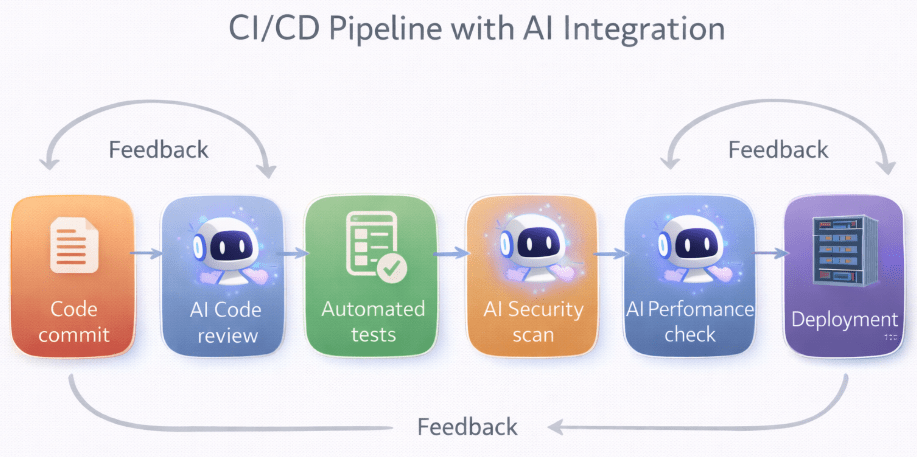
These capabilities are particularly valuable when integrated with continuous integration pipelines. As code moves through development stages, AI systems continuously monitor issues, running automated checks that would be impractical to perform manually. This ensures that problems are caught early, when they’re the easiest and cheapest to fix.
The Testing Revolution
The integration of automated software testing tools with AI capabilities has created a new paradigm in quality assurance. Traditional testing tools in software testing follow predefined test cases, but AI powered systems can generate intelligent test scenarios based on code analysis and usage patterns.
Performance testing tools in software testing enhanced with AI can simulate realistic user behaviors, identify bottlenecks under various conditions, and predict how systems will behave under stress. These tools learn from each test run, continuously refining their approach and expanding coverage without manual intervention.
Benefits for AI Software Development Companies
For any ai software development company, adopting these technologies isn’t just about keeping pace with competitors; it’s about fundamentally improving development velocity and code quality. AI software development services that incorporate automated reviews and debugging can deliver projects faster while maintaining higher quality standards.
The synergy between ai and software development creates a virtuous cycle: better tools lead to better code, which generates more data for training even better AI models. Companies offering artificial intelligence software development are uniquely positioned to leverage these advantages, as they’re already working at the intersection of AI technology and software engineering.
Real World Impact
Development teams using AI powered code review and debugging tools report significant improvements in productivity. Code review cycles that once took days can be completed in hours. Bugs that would have reached production are caught during development. Junior developers receive instant mentoring through AI suggestions, accelerating their learning curve.
The integration with continuous integration systems means that quality gates are enforced automatically, reducing the burden on senior developers while maintaining high standards. Teams can focus more energy on architectural decisions and feature development rather than hunting for syntax errors and common mistakes.
Looking Ahead
As AI technology continues to evolve, we can expect even more sophisticated capabilities. Future systems might understand business logic well enough to catch functional errors, not just technical ones. They could automatically refactor code for better performance or suggest architectural improvements based on evolving requirements.
The role of human developers isn’t diminishing its evolution. With AI handling routine code quality tasks, developers can focus on what they do best: solving complex problems, designing elegant solutions, and building innovative features that create real value.
Embracing the AI Assisted Future
The transformation brought by AI code review and debugging tools represents more than just efficiency gains; it’s a fundamental shift in how we think about software quality. These tools democratize expertise, making best practices accessible to developers at all skill levels while freeing experienced engineers to tackle more challenging problems.
For organizations serious about software quality and development velocity, embracing AI powered code review and debugging isn’t optional; it’s essential. The question isn’t whether to adopt these technologies, but how quickly you can integrate them into your development workflow to stay competitive in an increasingly AI driven world.

 Print on Demand Cloud
Leave a comment