
The Role of Agile Methodologies in Software Development Success
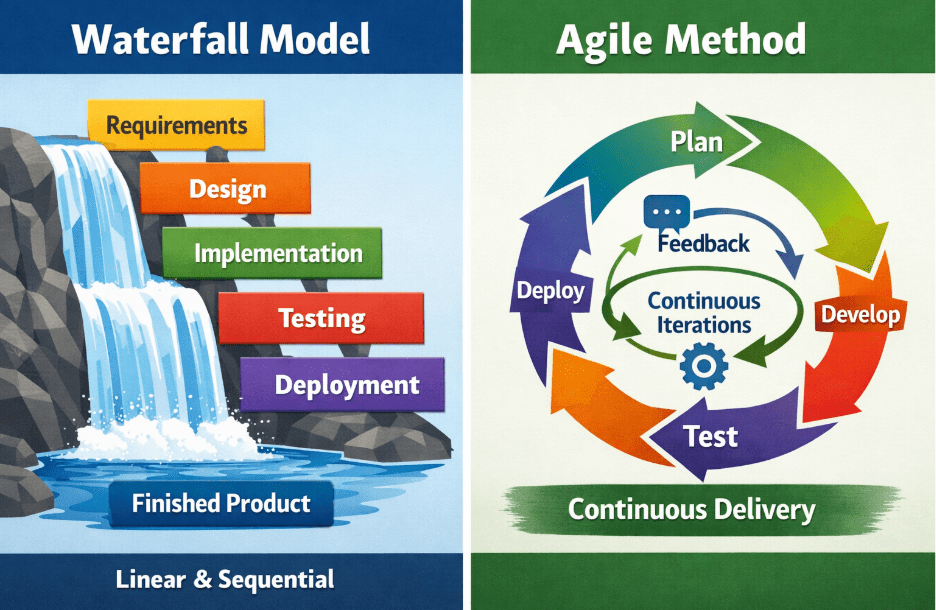
Building exceptional software requires more than just code. It demands a structured yet flexible approach to navigate the complexities of modern projects. This is where agile methodologies have transformed the landscape of software engineering. By prioritizing adaptability, collaboration, and customer feedback, agile frameworks provide the tools needed to deliver high quality products efficiently.
This post explores the critical role of agile methodologies in achieving software development success. We will examine core frameworks like Scrum and Kanban, discuss how agile principles enhance team collaboration and productivity, and see how this approach applies to everything from web application development to large scale enterprise projects.
What is Agile Methodology?
At its heart, an agile methodology is an iterative approach to project management and software development. Unlike traditional waterfall models that follow a rigid, sequential path, agile breaks large projects into smaller, manageable cycles called sprints or iterations. This structure allows teams to adapt to changing requirements, get feedback early, and deliver value incrementally.
The core of this approach is captured in four key values outlined in the Agile Manifesto:
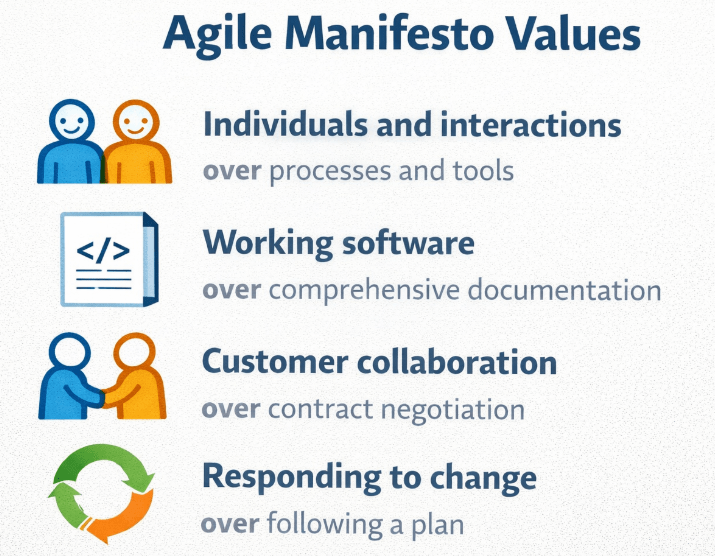
- Individuals and interactions over processes and tools.
- Working software over comprehensive documentation.
- Customer collaboration over contract negotiation.
- Responding to change over following a plan.
These agile principles guide teams to focus on what truly matters: delivering a functional product that meets user needs.
Key Agile Frameworks: Scrum and Kanban
While agile is the overarching philosophy, several frameworks put its principles into practice. Two of the most popular are Scrum and Kanban.
Scrum: Structure and Sprints
Scrum is a highly structured framework designed to boost productivity and team collaboration. It organizes work into time boxed sprints, typically lasting two to four weeks. Each sprint begins with a planning meeting to define the goals and ends with a review to showcase the completed work.
Key components of Scrum include:
- Roles: The Product Owner (defines goals), the Scrum Master (facilitates the process), and the Development Team (builds the product).
- Artifacts: The Product Backlog (a list of all desired features), the Sprint Backlog (tasks for the current sprint), and the Increment (the usable product at the end of a sprint).
- Events: Daily Scrums (stand ups), Sprint Planning, Sprint Review, and Sprint Retrospective.
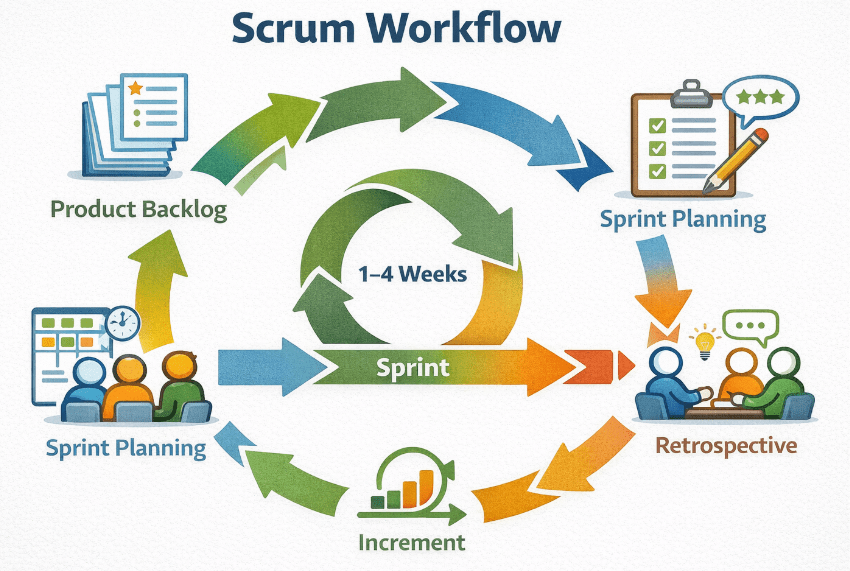
This systematic approach to scrum project management makes it a powerful tool for teams in any software development company looking to improve predictability and focus.
Kanban: Visualizing Workflow
Kanban is a more flexible agile framework focused on visualizing workflows and limiting work in progress. Using a Kanban board, teams map out their entire process, from “To Do” to “In Progress” and “Done.” This visual representation makes it easy to spot bottlenecks and manage capacity.
Unlike Scrum’s fixed sprints, Kanban is a continuous flow system. New tasks are pulled from the backlog as the team has the capacity to work on them. This makes it an excellent choice for teams that handle a steady stream of incoming requests, such as those involved in maintenance or DevOps support. The visual nature of Kanban enhances agile management by making workflows transparent to everyone.
How Agile Drives Success in Software Engineering
Adopting an agile project methodology brings tangible benefits across the development lifecycle, impacting everything from team morale to the final product’s quality.
Fostering Team Collaboration
Agile methodologies are built on a foundation of communication and team collaboration. Daily stand-up meetings, sprint reviews, and retrospectives create regular opportunities for team members to sync up, solve problems together, and share knowledge. This collaborative environment breaks down silos, encouraging developers, designers, and testers to work as a unified team toward a common goal. This is especially vital in a custom software development company where understanding unique client needs is paramount.
Boosting Productivity and Efficiency
By breaking large projects into smaller tasks, agile makes work more manageable and less overwhelming. Teams can focus on delivering a small set of features well, rather than trying to tackle everything at once. This iterative process promotes a steady pace of development and helps maintain momentum.
Furthermore, agile project management integrates continuous feedback, allowing teams to course correct quickly. This reduces wasted effort on features that don’t meet user expectations, ultimately boosting overall productivity. An enterprise software development company can use these methods to streamline complex enterprise application development and deliver value faster.
Enhancing Quality Management
Agile integrates quality assurance throughout the development process, not just at the end. With continuous testing and integration, bugs are caught and fixed early when they are less costly to resolve. Many teams use quality management software to automate testing within their agile workflows. This emphasis on quality, combined with frequent feedback loops from stakeholders, ensures the final product is robust, reliable, and aligned with user needs. The integration of a solid devop culture further automates the release pipeline, making quality a shared responsibility.
Agile in Action: From Startups to Enterprises
The flexibility of agile makes it suitable for a wide range of projects and company sizes.
Web and Native App Development
For web application development and native app development, markets move fast. Agile allows teams to build a Minimum Viable Product (MVP) quickly, release it to the market, and gather real-world user feedback. This data then informs subsequent development cycles, ensuring that the app evolves based on actual user behavior and needs. This iterative approach is crucial for staying competitive.
Enterprise Application Development
Even large organizations benefit from agile. An enterprise software development company often deals with massive, complex systems. Agile helps manage this complexity by breaking down the project into manageable modules. This enables different teams to work on various components concurrently while staying aligned with the overall vision. Agile management practices help ensure that large scale enterprise application development projects stay on track and deliver value incrementally, rather than waiting for a single, high-risk “big bang” release.
The Future is Agile Project Management
In a world where technology and customer expectations are constantly changing, the ability to adapt is no longer optional; it’s essential. Agile methodologies provide the framework for this adaptability. By embracing agile principles, organizations can improve team collaboration, increase productivity, and deliver higher quality software that truly meets the mark. Whether you are a small startup or a large enterprise, effective project management rooted in agile practices is a key driver of success in modern software engineering.

 Print on Demand Cloud
Leave a comment